Microplastic Defense

Disclosure: As an Amazon Associate I earn from qualifying purchases. Links to Amazon on this page are affiliate links. Learn more

Kitchen Swaps to Reduce Plastic Contact

Heat and mechanical wear accelerate the release of microplastics from food-contact items — research has measured particle release from plastic kettles, plastic containers microwaved with food, and plastic cutting boards. Swapping the highest-heat, highest-wear plastic items for glass or stainless steel is one of the most practical exposure reductions available.

You don't need to replace everything at once. The priority order is roughly: things you heat (kettles, microwave containers) first, then things you use daily with wear (cutting boards, bottles), then cold-storage items last.

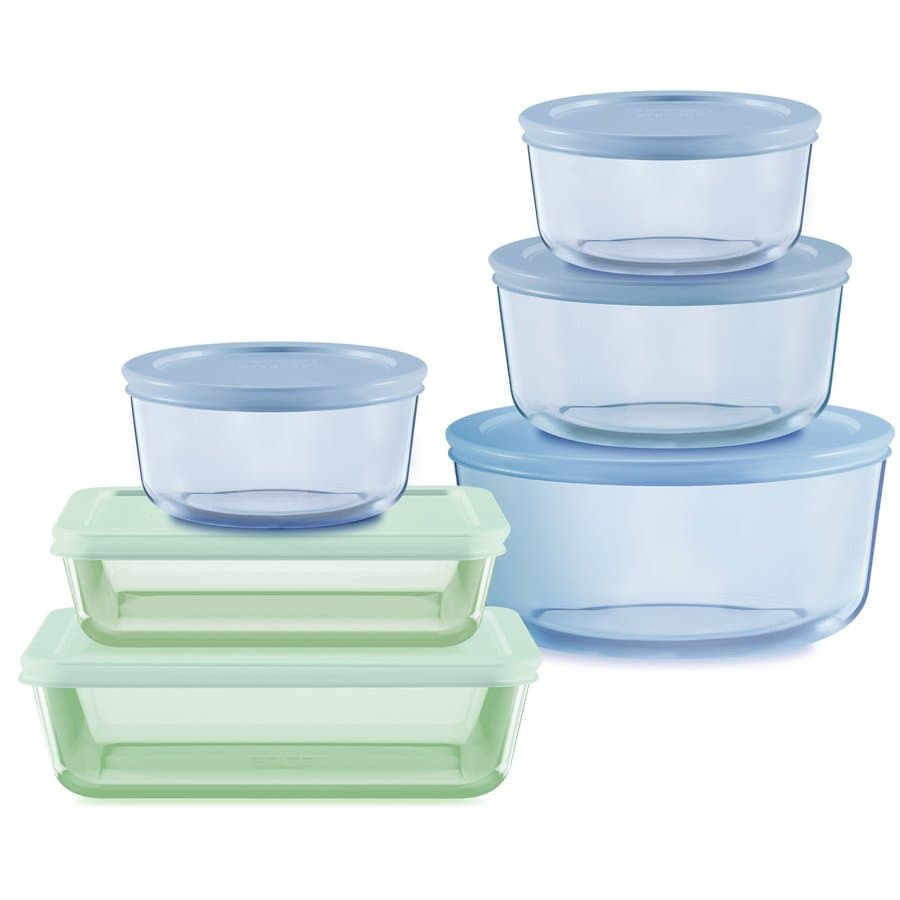
Pyrex Simply Store 18-piece glass food storage set with blue and teal lids
Best first swap

Pyrex Simply Store 18-Piece Glass Set

The default answer to 'replace my plastic containers': a long-running best-seller with tempered glass bodies in the most useful sizes. Kills the single riskiest kitchen habit — microwaving food in plastic — for the price of a takeout dinner.

Key specs
  • 9 tempered-glass containers (1 to 7 cups) + 9 BPA-free plastic lids
  • Glass is microwave, oven (pre-heated), fridge, freezer, and dishwasher safe
  • Nonporous glass won't stain or hold odors
  • Lids are plastic — keep them off during heating

Pros

  • Glass bodies eliminate hot-food-on-plastic contact
  • Cheap for 9 containers; sizes cover daily leftovers and meal prep
  • Durable and replaceable — Pyrex lids are sold separately

Cons

  • Lids are still plastic (fine for cold storage; vent or remove to microwave)
  • Heavier than plastic containers
  • Tempered soda-lime glass can break with sharp thermal shocks
Check price on Amazon

Affiliate link — see disclosure

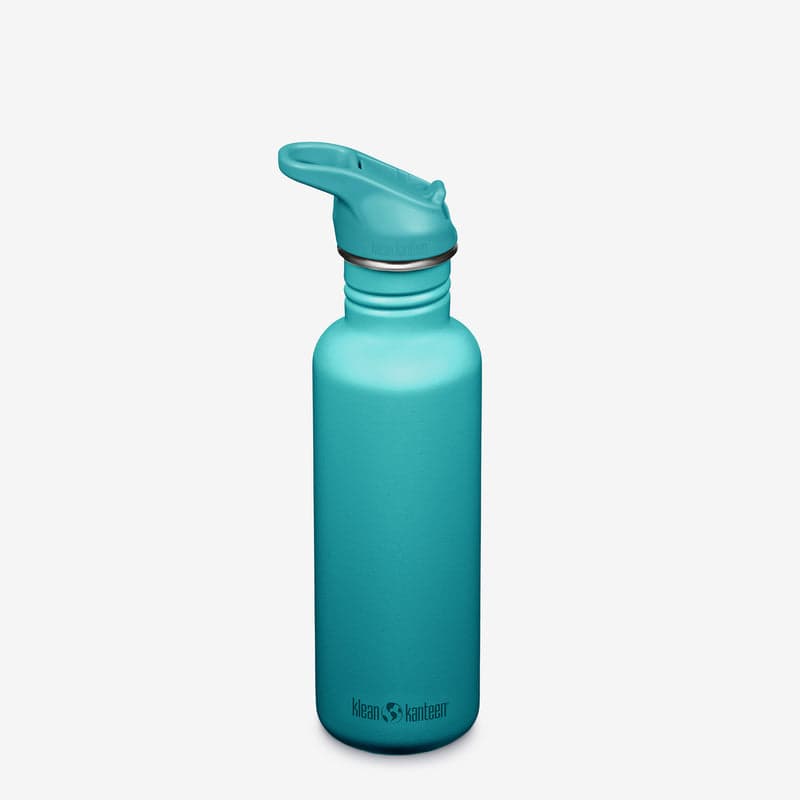
Klean Kanteen Classic 27 oz stainless steel water bottle with sport cap

Klean Kanteen Classic 27 oz Stainless Bottle

The original steel water bottle, from the brand that started the category in 2004. Single-wall 18/8 stainless made from 90% recycled steel — the direct replacement for bottled water, which repeatedly tests far higher for microplastics than tap.

Key specs
  • Single-wall 18/8 stainless steel, 27 oz, ~90% post-consumer recycled
  • Leakproof Flip Seal sport cap; wide-ish mouth takes ice cubes
  • Chip-resistant Klean Coat finish; dishwasher safe (single-wall)
  • Insulated and larger sizes available in the same line

Pros

  • Directly replaces the single largest documented exposure source (bottled water)
  • Light for steel and effectively indestructible in daily use
  • No flavor transfer; easy to clean

Cons

  • Sport cap spout contains plastic — Klean Kanteen sells all-steel caps separately if you want zero contact
  • Single-wall means no insulation (that's what keeps it light)
  • Dents if you throw it at concrete, though it keeps working
Check price on Amazon

Affiliate link — see disclosure

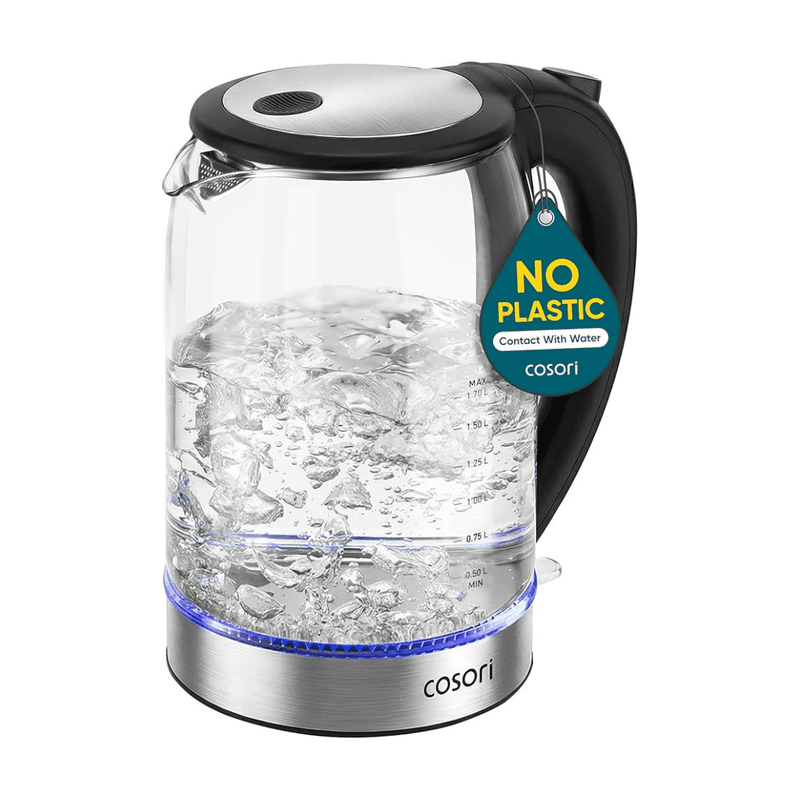
COSORI 1.7 liter borosilicate glass electric kettle with stainless base
Highest-impact heat swap

COSORI Glass Electric Kettle (1.7 L)

One of Amazon's most popular glass kettles, and its headline feature is literally this site's thesis: no plastic contact with water. Borosilicate glass body, stainless lid, filter, and base — replacing the plastic kettle that research shows sheds particles into every boil.

Key specs
  • 1.7 L borosilicate glass body; 304 stainless lid, spout filter, and inner base
  • Manufacturer states zero plastic contact with water
  • 1500 W, boils a full jug in minutes; auto shutoff and boil-dry protection
  • British Strix thermostat controller

Pros

  • Removes plastic from the hottest water-contact point in the kitchen
  • Glass makes limescale visible so you actually descale it
  • Auto shutoff, and cheaper than most plastic kettles

Cons

  • Glass body gets hot to the touch — handle only
  • Heavier than plastic kettles
  • Exterior water marks show more on glass
Check price on Amazon

Affiliate link — see disclosure

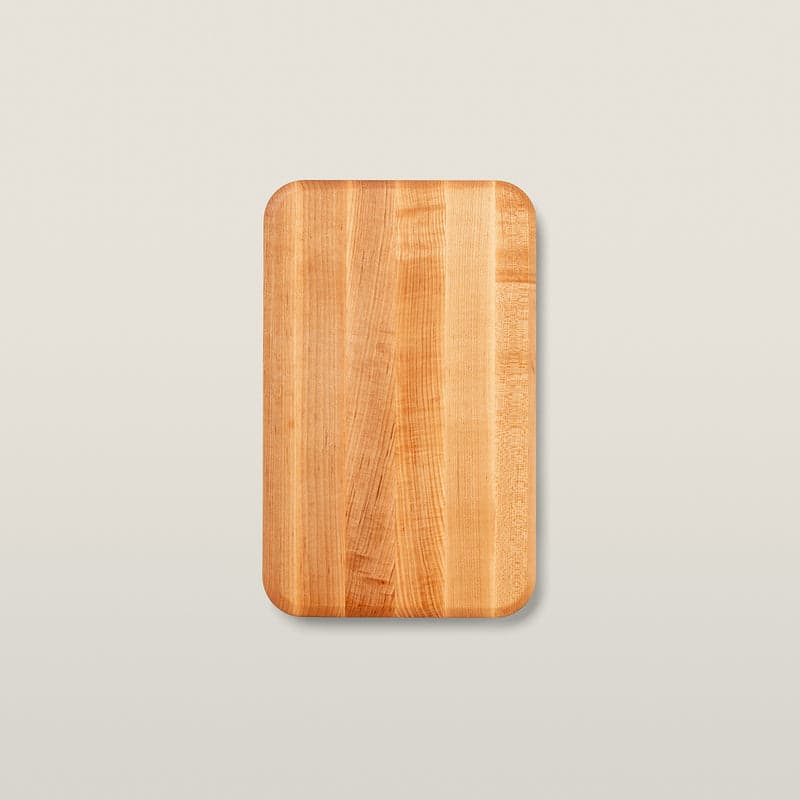
John Boos Chop-N-Slice maple edge-grain cutting board

John Boos Chop-N-Slice Maple Board (16×10")

Plastic cutting boards shed particles straight into food as knives score them — one study estimated tens of millions of particles a year from routine chopping. This American-made maple board is the classic buy-once alternative, from the company that's been making butcher blocks since 1887.

Key specs
  • Hard rock maple, edge-grain, 16" × 10" × 1", made in USA
  • Reversible — two working surfaces
  • Care: hand wash, dry upright, oil monthly (Boos sells board cream)
  • NSF-certified wood species for food contact

Pros

  • Eliminates a direct particle-into-food pathway
  • Gentler on knife edges than plastic or bamboo
  • Decades of lifespan with basic care; can be sanded to renew

Cons

  • Needs hand washing and monthly oiling — no dishwasher, no soaking
  • Heavier than plastic boards
  • Costs several times a basic plastic board (once)
Check price on Amazon

Affiliate link — see disclosure

Before you buy

Prioritize heat contact

Heating plastic accelerates particle and chemical release far more than cold contact. Kettles, microwave containers, and hot-beverage cups are the highest-value swaps; the cold-storage bin of leftovers is the lowest.

Check the parts you don't see

Many 'glass' and 'stainless' products still route water or food past plastic gaskets, lids, or sight gauges. Look at what touches the contents when hot, not just the marketing headline.

Don't bin usable plastic for cold storage

Replacing everything at once is wasteful and expensive. Existing plastic containers are lowest-risk for cold, dry storage — the sensible path is to stop heating them and phase them out over time.